Breathing through your nose: more important than you think
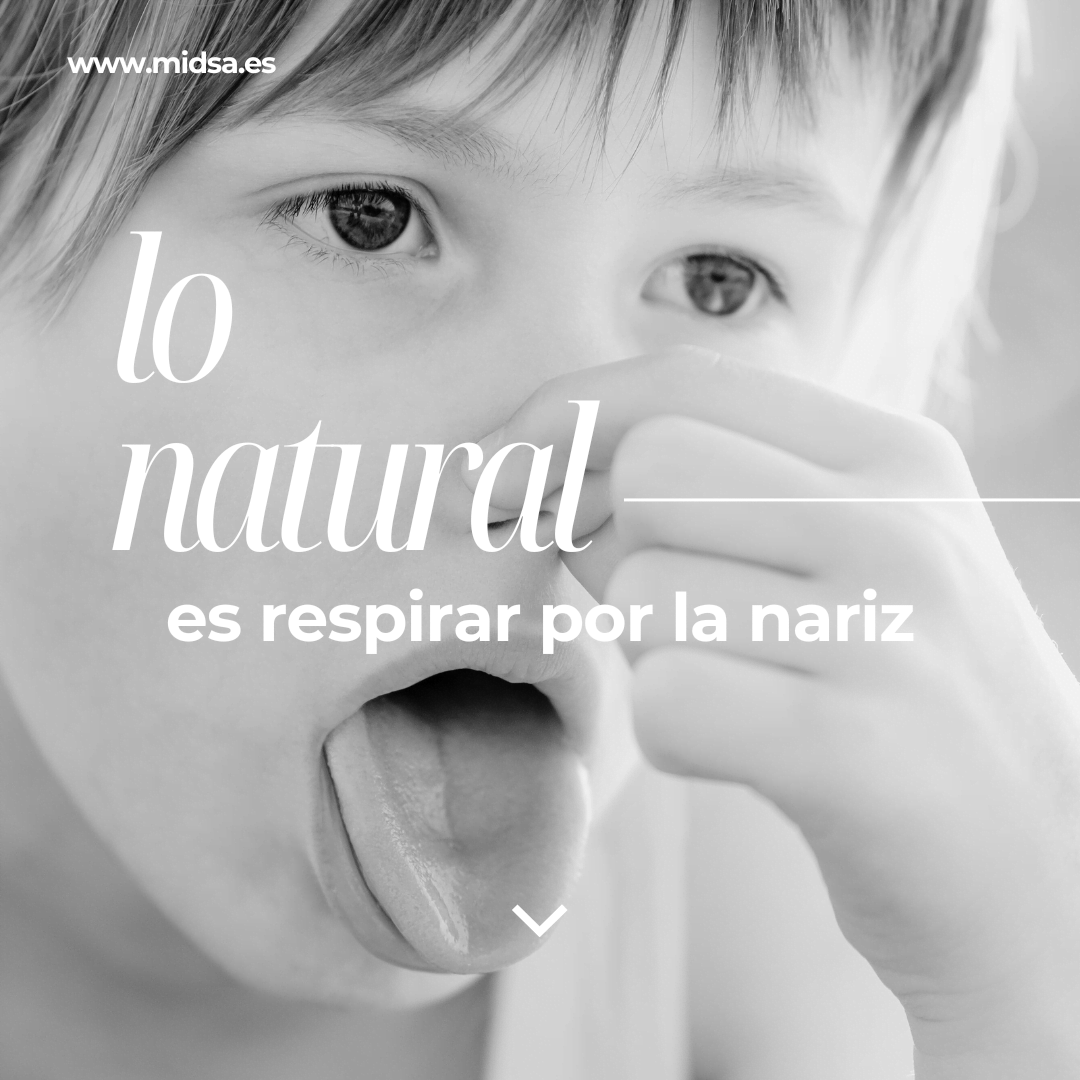
Do you think breathing can't be learned? Most of us have never considered it. However, How a child breathes can make a difference to their oral health and facial development.
Why is it natural to breathe through the nose?
A person breathes between 10,000 and 12,000 liters of air per day. Although it may appear clean, this air contains dust, bacteria, viruses, and fungi.
The nose is designed to filter, warm, and humidify that air, protecting the lungs and preventing infections. In contrast, the mouth lacks filtering cilia and its mucosa is designed for another function: feeding.
What happens if a child breathes through their mouth?
According to several scientific meta-analyses, Habitually breathing through the mouth can alter the development of the skull and facial bones in children, causing:
- Malocclusion (teeth do not fit together properly when closing the mouth)
- Changes in mandibular posture
- Pain in the jaw joint
- Headaches and muscle tension in the neck and head
And this doesn't just affect children! In adults, mouth breathing can also cause muscle imbalances, headaches, and even chronic fatigue.
How common is this problem?
According to the Oral Health Survey 2020 published by the Journal of the Illustrious General Council of Colleges of Dentists and Stomatologists of Spain, More than 50% of 12-year-old children present with mild to severe malocclusion.
The sooner we act, the better
Facial development occurs rapidly during childhood:
- To the 4 years, a child has already developed 60% of the adult craniofacial skeleton.
- To the 7 years, growth nasomaxillary is almost complete.
- To the 12 years old, he 90% of facial growth It has already happened.
Waiting is not an option. Early intervention can prevent more complex treatments in the future.