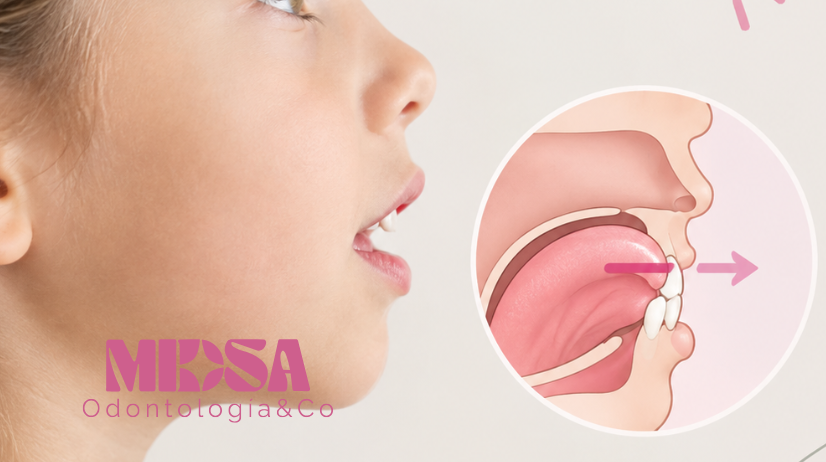
All babies suck their thumbs in the womb to perfect their reflexes for birth. It's completely normal, physiological, and beneficial. At this stage, it shouldn't be considered an oral habit or an addiction, because these are reflexes—that is, automatic actions important for survival.
Around six months after birth, the sucking reflex is inhibited and becomes voluntary. This means that whenever the baby is hungry and something is brought near their lips, they will automatically activate the demand reflex to grasp it and the sucking reflex, whether it's a finger, the breast, or an object (including a pacifier, but in that case, the object doesn't fit the baby's mouth like the breast and is more rigid than the finger itself, which can lead to changes in the baby's sucking pattern during breastfeeding).
Exclusive breastfeeding is the best prevention of the development of the oral habit of thumb sucking, since there is 7 times less risk that a baby breastfed on demand will need another type of sucking or oral habit.
After six months, when complementary feeding is introduced, the baby will begin learning to chew, but should continue breastfeeding until at least two years of age, if possible. Teething also begins around six months, so it's important to distinguish between thumb sucking and putting a hand in the mouth to relieve pain.
Breastfeeding is always best, allowing the baby to suckle for nourishment (nutritive sucking) and to satisfy their sucking need (non-nutritive sucking) at the breast. Pacifier use carries a risk of early weaning or a shorter duration of breastfeeding.
The changes in a baby's oral cavity resulting from pacifier use are worse than those resulting from thumb sucking. To prevent this habit from developing, breastfeeding should be maintained as much as possible, activities that require the child to use their hands should be initiated, and the baby should be helped to understand what is causing distress that leads them to use their thumb to soothe themselves. If the habit cannot be broken, consult us for pacifier weaning before damage occurs to the oral muscles, bones, and dental alignment.
More information about the children's oral health in our section on the website dedicated to the little ones.