If you're between 17 and 30 years old, you've probably already heard about them, or even noticed them. Wisdom teeth, also called third molars, are the last teeth to erupt and often raise many questions: Do they always hurt? Do they need to be removed? What happens if I don't extract them?
The short answer is that They don't always have to be extracted. It depends on each case, and the only reliable way to know is with an X-ray. We'll explain it to you in detail.
What are wisdom teeth and when do they erupt?
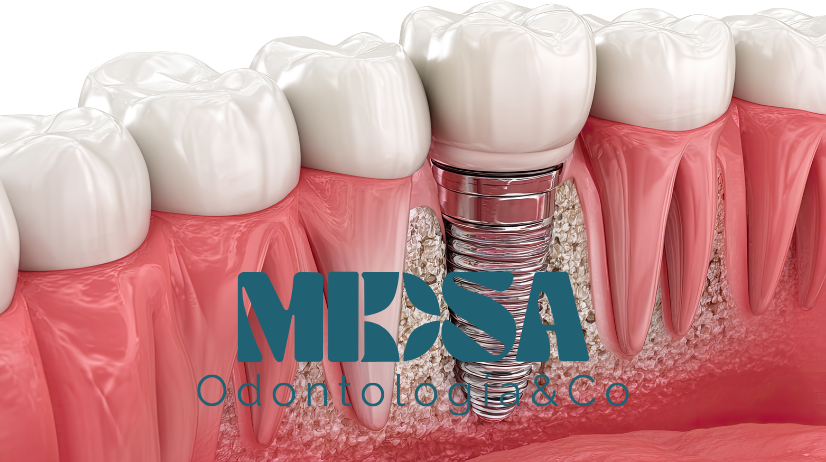
These are the four last molars, one in each corner of the mouth, at the back of each dental arch. They usually begin to erupt between the ages of 17 and 25, although in some people they appear later and in others they never erupt at all.
The problem is that, when they finally get to go out, many times There is no more space.. This can cause them to come in crooked, remain partially erupted, or become trapped under the gum or bone, a condition known as an impacted or embedded tooth.
When is it necessary to remove them?
There is no general rule, but these are the cases in which the dentist usually recommends extraction:
- Repeated pain or discomfort in the area at the back of the mouth.
- Gum infections around the tooth (pericoronitis), with inflammation, bad taste or difficulty opening the mouth.
- Caries in the wisdom tooth or the tooth next to it, because it is a difficult area to clean.
- Molars that push to the rest of the teeth or damage the adjacent molar.
- Cysts or other abnormalities that are detected in the x-ray.
- Lack of space which prevents proper hygiene.
- Before orthodontic treatment, when the specialist deems it necessary.
When can they be stopped?
If the tooth has come in correctly, is properly positioned, you can clean it properly and it won't cause problems., There is no reason to remove it.. In those cases, it is usual to check it periodically to make sure that everything is still the same.
It's also not advisable to have them extracted "just in case" without a prior evaluation. Every mouth is different, and the decision is made after studying your specific case.
Signs you should get a consultation
Make an appointment if you notice any of these symptoms:
- Pain at the back of the mouth that comes and goes.
- Red, swollen, or bleeding gum around a tooth.
- Bad breath or persistent bad taste in that area.
- Difficulty opening the mouth or chewing.
- Pain that spreads to the ear or jaw.
If the swelling is significant, there is a fever, or the pain is very severe, don't wait: call your clinic as soon as possible.
How is it decided whether they need to be removed?
Diagnosis begins with an examination and a radiography, This allows the dentist to see the position of the tooth, its relationship to neighboring teeth and nearby structures. From there, the dentist explains whether it's best to extract it, monitor it, or wait.
At MIDSA, on the first visit we perform x-rays, 3D scanning with iTero and photographs, to have a complete view of your mouth before recommending anything.
What is the extraction process like?
It is done with local anesthesia, Therefore, you shouldn't feel pain during the procedure, only pressure. The duration depends on the position of the tooth: a fully erupted tooth is easier than an impacted one.
It's normal to experience some swelling and discomfort for the first few days. Your dentist will give you personalized guidelines, but these recommendations are usually helpful:
- Apply cold to the cheek for the first few hours.
- Eat soft and lukewarm foods.
- Avoid spitting forcefully, rinsing vigorously, and using a straw.
- Do not smoke or drink alcohol while you recover.
- Maintain hygiene, taking care in the area.
- Only take the medication prescribed by your dentist.
Most people return to their routine within a few days, but it's advisable to follow the instructions and attend your scheduled check-up.
Frequently Asked Questions
Does it hurt to have a wisdom tooth removed? Not during the extraction, because anesthesia is used. Afterwards, there may be some discomfort, which can be managed with the instructions your dentist gives you.
Can all four be removed at once? It depends on each case. After reviewing your X-ray, the dentist will suggest the most suitable option for you.
What happens if I don't take them off and they cause me problems? Infections, cavities, or damage to adjacent teeth can occur. That's why it's important to have them checked regularly.
What is the best age to do it? When indicated, it is usually recommended in young people, because recovery is generally easier. Even so, it is assessed on a case-by-case basis.
Do you have doubts about your wisdom teeth?
If you're unsure whether yours need to be removed, it's best to have an X-ray and a physical examination. MIDSA Dentistry & Co (Valencia) We will be happy to assess your case and answer all your questions.
This article is for informational purposes only and does not replace a professional dental assessment. Every case is different.