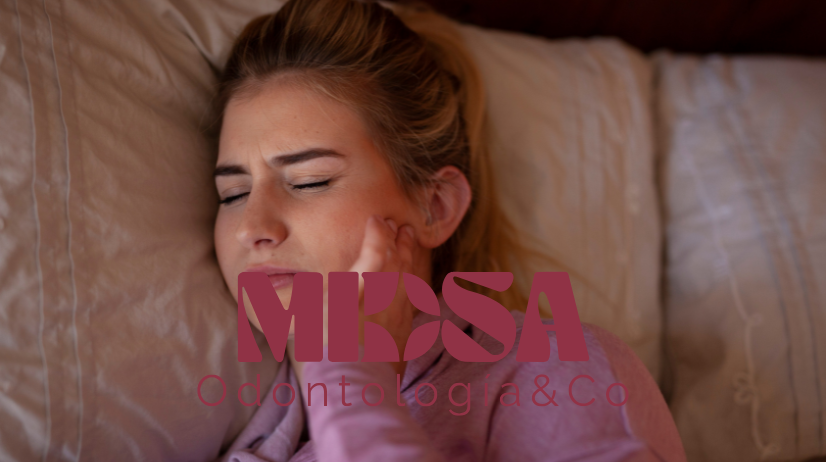
Sleep apnea is a potentially serious sleep disorder in which breathing stops and starts repeatedly.
Apnea occurs when the muscles at the back of the throat relax. These muscles support the soft palate, uvula, tonsils, the sides of the throat, and the tongue.
When your muscles relax, your airways narrow or close, preventing you from getting enough air, which can lower your blood oxygen levels. Your brain detects that you can't breathe and causes you to briefly wake up to breathe. This is usually so brief that you don't remember it. This pattern can repeat itself 5 to 30 times or more each hour, throughout the night, disrupting your ability to rest.
The symptoms The most common ones are:
- Loud snoring
- Episodes where you stop breathing during sleep (as reported by another person)
- Gasping while breathing during sleep
- Waking up with a dry mouth
- Morning headache
- Trouble staying asleep (insomnia)
- Excessive daytime sleepiness (hypersomnia).
- Difficulty paying attention while you're awake
- Irritability
Sleep apnea can lead to serious consequences as:
- High blood pressure or heart problemsThose who breathe through their mouths for decades, and whose sleep apneas persist day after day, eventually reach a point where their heart can no longer withstand the strain and a heart attack occurs. This is because each apnea is followed by a violent tachycardia and respiratory distress.
- Fatigue during the day
- Type 2 diabetesIf you suffer from sleep apnea, you are more likely to develop insulin resistance and type 2 diabetes.
- Sleep deprivation of your partner
- ETC
If you think you may have sleep apnea, consult with us. At MIDSA, with the HBTC-RFA Method treatment, we can help you with your problem and prevent heart problems and other complications.