Do you feel a twinge in your teeth when you drink cold water, hot coffee, or eat something sweet? Tooth sensitivity is a common problem that can occur occasionally or last for days or even weeks.
Although it's sometimes associated with temporary exposure of the dentin, it's not always a minor problem. Cavities, dental cracks, enamel wear, or receding gums can also cause pain in response to certain stimuli.
In MIDSA Dentistry, dental clinic in Valencia, We believe that understanding the cause of a problem is the first step to treating it correctly. That's why we'll explain why tooth sensitivity occurs, what you can do to relieve it, and when it's advisable to see a dentist.
What is tooth sensitivity?
Tooth sensitivity is a brief, sharp pain that occurs when one or more teeth react to stimuli such as cold, heat, touch, sweet foods, or certain acidic substances.
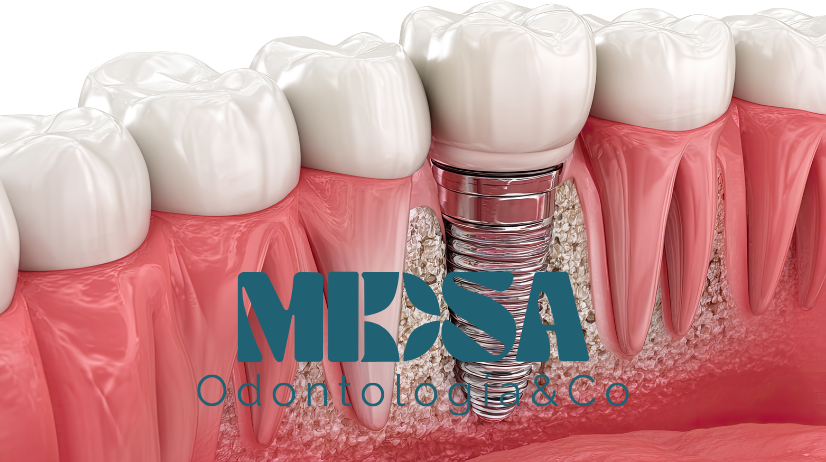
One of the most common causes is the exposure of the dentin, the tissue located beneath the enamel. Dentin contains tiny tubules that can transmit painful stimuli when exposed.
However, not all pain triggered by cold or heat is tooth sensitivity. A cavity, a deteriorated filling, or pulp inflammation can produce similar symptoms. Therefore, correctly identifying the cause is essential.
Why do my teeth hurt when it's cold or hot?
There are several causes that can explain this discomfort. Among the most frequent are the following.
1. Wear of the tooth enamel
Enamel protects the outer part of the teeth. When it thins or deteriorates, the dentin can become more exposed, increasing sensitivity.
This wear and tear may be related to frequent consumption of acidic drinks, overly aggressive brushing, or certain habits.
If you want to learn more about this problem, you can read our article on tooth enamel wear and dental erosion, where we explain its causes, symptoms and prevention measures.
2. Gum recession
When the gums recede, part of the tooth root can become exposed. This surface is not covered by enamel, so it can react strongly to cold, heat, or contact with a toothbrush.
If you also notice that your teeth appear longer or that your gums bleed, it is advisable to have a dental evaluation.
3. Dental caries
A cavity can cause sensitivity to cold, heat, or sweet foods. In its initial stages, the discomfort may be mild, but if the lesion progresses, more intense or persistent pain may appear.
It is not advisable to try to solve a possible cavity using only a toothpaste for sensitive teeth: it is necessary to treat the cause.
4. Dental cracks or fractures
A small crack can go unnoticed and cause discomfort when chewing or eating cold foods. Sometimes, the pain is intermittent, making it difficult to identify the affected tooth.
If you notice pain when biting or releasing pressure, it is important to have a professional examine the tooth.
5. Aggressive brushing or abrasive products
Applying too much pressure when brushing or using very abrasive products can contribute to the wear of tooth surfaces and promote exposure of the dentin.
Hygiene should be effective, but also gentle on the teeth and gums.
6. Sensitivity after dental treatment
Some dental procedures can cause temporary sensitivity. The duration depends on the treatment performed and the individual patient.
If the discomfort is intense, worsens, persists longer than expected, or is accompanied by inflammation, you should consult your dentist.
How to get rid of tooth sensitivity?
The appropriate treatment depends on the cause. These measures can help reduce discomfort while the cause is being identified.
Use a toothpaste for sensitive teeth.
Desensitizing pastes can help reduce pain in certain cases. It's important to use them consistently and follow the product instructions.
If the sensitivity does not improve, do not increase the frequency of use on your own or assume that the problem is solved.
Brush with a soft brush
Use a soft-bristled toothbrush and make gentle movements, without applying excessive pressure. Aggressive brushing does not necessarily clean better and can damage the gums and tooth surfaces.
Temporarily reduce your intake of highly acidic foods.
Citrus fruits, sodas, and other acidic drinks can contribute to tooth erosion. If you consume them, avoid brushing immediately afterward: rinsing with water and waiting approximately 30 minutes before brushing can help protect your enamel.
Avoid extreme temperature changes if they cause you pain
While the cause is being investigated, you can temporarily avoid the foods and drinks that trigger the discomfort. This measure alleviates the trigger, but it is not a substitute for diagnosis or treatment.
Do not resort to harsh home remedies
Lemon, baking soda used improperly, and other home remedies can damage teeth or worsen the problem. If a cavity or crack is present, these methods will not address the underlying cause.
What treatment can a dentist perform for tooth sensitivity?
When sensitivity persists, the first step is to identify its origin through a clinical examination and any additional tests that may be indicated.
Depending on the diagnosis, treatment may include:
- Professional desensitizing products: to reduce the transmission of painful stimuli in certain cases.
- Fluoride treatments: when they are indicated to promote the protection of tooth surfaces.
- Dental restorations: if there is a cavity, a loss of structure, or an injury that needs reconstruction.
- Gum treatment: if the sensitivity is related to periodontal disease or root exposure.
- Specific treatment of the dental pulp: when there is inflammation or internal injury that requires it.
Not all patients need the same treatment. That's why it's important not to confuse symptom relief with a permanent solution to the problem.
When should I see a dentist for tooth sensitivity?
If the pain recurs, appears without a clear cause, or interferes with your eating, it is advisable to request a dental evaluation.
Pay special attention if you notice any of these signs:
- Pain that persists after the cold or hot stimulus is removed.
- Intense or increasing discomfort.
- Pain when chewing or biting.
- A broken, cracked, or damaged tooth.
- Swollen gums, bleeding, or visible changes in the teeth.
If significant swelling, fever, or difficulty swallowing or breathing occurs, seek urgent medical attention; difficulty breathing requires emergency care.
Tooth sensitivity in Valencia: how can we help you?
If you experience pain when consuming something cold, drinking hot coffee, or brushing your teeth, you don't have to get used to that discomfort.
In MIDSA Dentistry, dental clinic in L'Eixample, Valencia, We can assess your oral health, study the possible causes of sensitivity, and explain which treatment options are suitable for your case.
Our goal is for you to understand what's happening, resolve your doubts, and receive personalized attention.
Do your teeth bother you in the cold or the heat?
Contact MIDSA Dentistry to request an evaluation and discover what might be causing your tooth sensitivity.
📍 Carrer de Salamanca, 52, ground floor, Valencia.
📞 692 12 94 85
The information in this article is for guidance only and does not replace an individual dental examination or diagnosis.