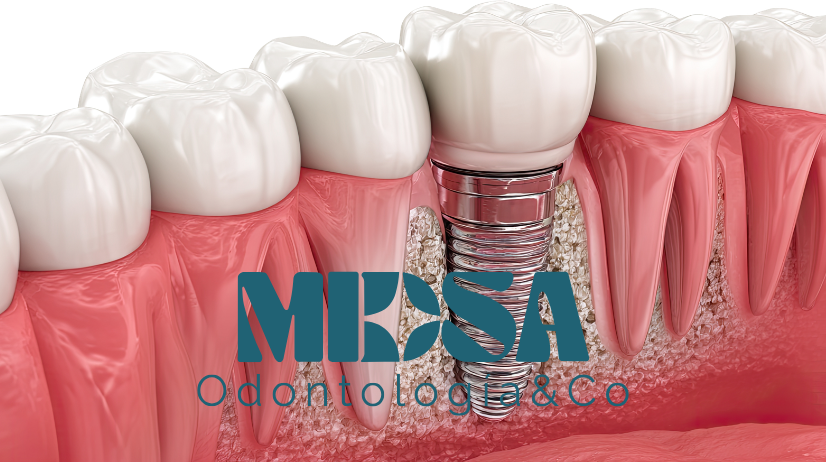
Gingivitis and periodontitis (pyorrhea) are very common diseases caused by bacteria in the mouth that can be transmitted from one person to another. If these bacteria are not properly eliminated, they affect the gums, causing inflammation. This inflammation then spreads below the gum line and destroys the bone and tissues that support the teeth, leading to tooth mobility and loss, as well as potential inflammatory changes in other parts of the body.
The symptoms They are clear:
• Redness of the gums.
• Bleeding gums when brushing. (Bleeding gums are always a symptom of disease). Note: Smokers do not bleed even if they are infected.
• Gum recession with a sensation of longer teeth.
• Increased tooth sensitivity to cold.
• Appearance of painful abscesses and phlegmons in the gums.
• Mobility and displacement of teeth.
What should I do if I have periodontitis?
The first reaction should be to consider that we are facing a very serious dental problem, But it is treatable, and the sooner you see a periodontist, the more effective the treatment will be. A thorough clinical, radiological, and sometimes microbiological examination will provide the necessary information to develop a specific and effective treatment plan. Once diagnosed, gingivitis or periodontitis is cured with meticulous periodontal treatment, sometimes supported by specific medication. New microsurgical techniques allow for more precise and conservative treatment, resulting in a much shorter recovery period after the procedure.