Dental implants have become the most reliable and long-lasting solution for replacing missing teeth. One of the most frequent questions we receive at our clinic is: How long do dental implants last?
The good news is that, with proper planning, quality materials, and good care, A dental implant can last more than 25 years or even a lifetime..
At MIDSA Odontología, a clinic specializing in dental implants in Valencia, we explain what factors influence their duration and how to ensure your treatment has the best possible prognosis.
How long does a dental implant last?
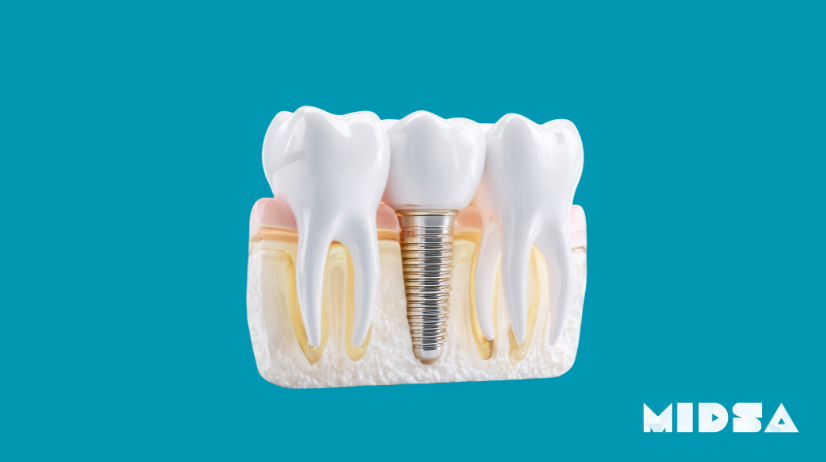
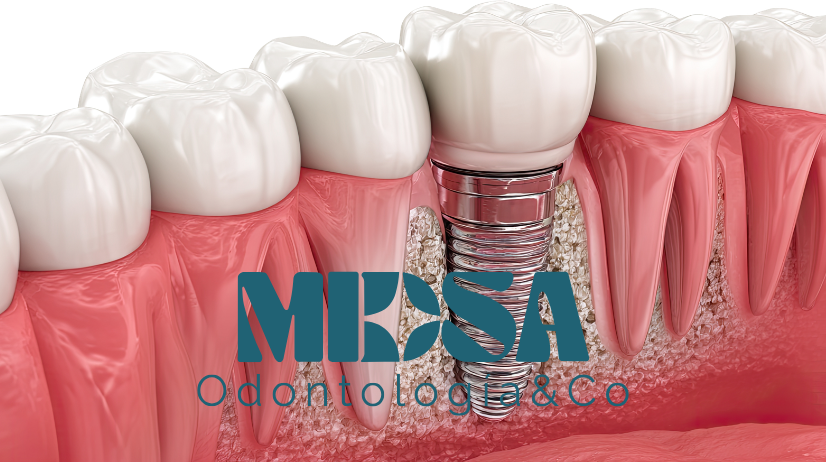
It is important to differentiate between two parts:
- The implant, The titanium screw, which integrates with the bone, can last for decades or even a lifetime.
- The dental crown, The visible part that replaces the tooth usually has a lifespan of between 10 and 20 years, depending on the wear and tear, the patient's habits, and the material used.
In most cases, if over the years it becomes necessary to change the crown, the implant can remain perfectly in place.
What factors influence the lifespan of a dental implant?
Not all implants last the same amount of time. Their success depends on several factors.
1. Proper treatment planning
Success begins before the implant is placed. A comprehensive study using X-rays and 3D CT scans allows us to assess the quantity and quality of the bone, determine the ideal implant position, and prevent future complications.
Digital planning improves accuracy and increases the success rate of treatment.
2. The professional's experience
Placing an implant requires precision and expertise. Choosing a clinic with experience in implantology It is one of the factors that most influences the duration of treatment.
3. The quality of the implant
Not all implants are created equal. Reputable manufacturers invest years in research to develop surfaces that promote better integration with the bone and offer long-term guarantees.
4. The patient's oral hygiene
Good hygiene is essential.
Brushing correctly, using interproximal brushes or dental floss specifically for implants, and attending regular check-ups helps prevent diseases such as peri-implantitis, one of the main causes of implant failure.
5. Smoking
Smoking reduces blood flow to tissues and hinders healing.
Patients who smoke have a higher risk of inflammation, bone loss, and implant failure, especially during the first few months after surgery.
6. Bruxism
Clenching or grinding your teeth generates very high forces on the implants.
In these cases, the use of a bite splint is usually recommended to protect both the implants and the crowns.
7. Periodic check-ups
Dental visits allow any problems to be detected before complications arise.
It is recommended to have professional check-ups and cleanings every 6 or 12 months, depending on the needs of each patient.
What is the success rate of dental implants?
Dental implants have a higher success rate than 95 %, provided that the treatment is well planned and the patient follows the specialist's recommendations.
Therefore, they are considered the standard treatment for replacing missing teeth.
Can an implant last a lifetime?
Yeah.
Many patients keep their implants for more than 30 years.
The key is to combine:
- Proper planning.
- High quality materials.
- Good oral hygiene.
- Periodic reviews.
- Avoid harmful habits such as smoking.
When these factors are met, the chances of maintaining the implant for life are very high.
How to extend the life of a dental implant?
If you want your implant to last as long as possible, follow these recommendations:
- Brush your teeth after every meal.
- Use interdental brushes or specific dental floss.
- Attend your regular check-ups.
- Avoid smoking.
- Use a mouthguard if you suffer from bruxism.
- Always follow your dentist's instructions.
Small daily habits can make a difference for many years.
Dental implants in Valencia
In MIDSA Dentistry We work with advanced digital technology to plan each treatment with maximum precision and offer functional, aesthetic and lasting results.
Our team studies each case individually to find the most suitable solution, always seeking the stability and long-term health of each implant.
If you have lost one or more teeth and want to know if dental implants are the best option for you, we would be happy to assess your case and answer all your questions.
Frequently asked questions about how long dental implants last
Can an implant fall out?
It is rare. When it does occur, it is usually due to a lack of integration with the bone, an infection, or untreated peri-implantitis.
Does it hurt to change a crown on an implant?
No. In most cases it is a simple procedure that does not require surgery.
Do implants require maintenance?
Yes. Although they cannot get cavities, they need regular checkups and cleanings to keep the surrounding tissues healthy.
Does age affect the lifespan of implants?
It's not so much age as overall health and bone quality. Many older people enjoy perfectly functioning implants for decades.